
In our quest for a more sustainable lifestyle, one significant area we often overlook is our dining habits. The utensils, plates, and cups we use daily can have a substantial impact on the environment. This is where eco-friendly tableware comes into play. By making the switch to sustainable dining solutions, we can reduce waste, conserve resources, and contribute to a healthier planet. Let’s explore the benefits and options of eco-friendly tableware and how it can make a difference.
The Problem with Traditional Tableware
Traditional tableware, particularly single-use plastic items, poses a severe environmental threat. Here are some key issues:
Polas sa plastik:
Single-use plastic utensils, plates, and cups are among the top contributors to plastic pollution. These items often end up in landfills or oceans, taking hundreds of years to decompose and harming wildlife.
Pagkuha sa kapanguhaan:
The production of plastic tableware consumes significant amounts of fossil fuels and water, contributing to resource depletion and environmental degradation.
Chemical Contamination:
Plastics can leach harmful chemicals into food and beverages, posing health risks to humans.
The Benefits of Eco-Friendly Tableware
Eco-friendly tableware offers numerous advantages, both for the environment and for personal health:
Reduced Waste: Sustainable tableware options, such as biodegradable or compostable items, break down naturally, reducing the amount of waste that ends up in landfills.
ower Carbon Footprint: Eco-friendly materials, like bamboo, cornstarch, and recycled paper, have a smaller carbon footprint compared to conventional plastics, as their production emits fewer greenhouse gases.
Healthier Options: Many eco-friendly products are free from harmful chemicals, making them safer for daily use.
Renewable Resources: Materials used in sustainable tableware often come from renewable resources, ensuring that their production is not depleting finite natural reserves.
Popular Eco-Friendly Tableware Options
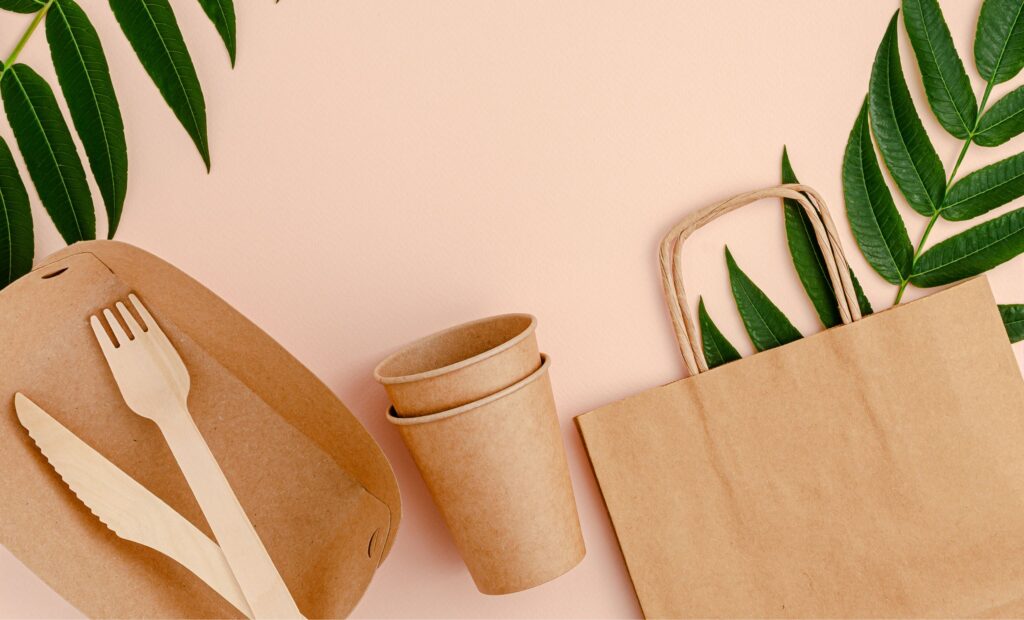
Bamboo Tableware: Ang kawayan usa ka paspas nga nagtubo, renewable resource that requires minimal water and no pesticides to grow. Bamboo tableware is durable, lightweight, and biodegradable, making it an excellent alternative to plastic.
Compostable Plates and Utensils: Made from materials like cornstarch, tubo, and wheat bran, compostable tableware items decompose quickly and can be added to compost piles to enrich the soil.
Reusable Stainless Steel and Glass: For a long-lasting, eco-friendly solution, consider stainless steel or glass tableware. These materials are highly durable, can be reused indefinitely, and are fully recyclable at the end of their life cycle.
Recycled Paper Products: Plates, cups, and napkins made from recycled paper are an excellent choice for reducing waste. These products are often compostable and require less energy to produce than new paper products.
Making the Switch: Tips for a Sustainable Dining Experience
Start Small: Begin by replacing single-use plastic items with eco-friendly alternatives. Gradually increase your collection as you become more comfortable with the new options.
Educate and Encourage: Share information about the benefits of eco-friendly tableware with friends and family. Encourage them to make the switch as well.
Support Sustainable Brands: Look for companies that prioritize sustainability in their products and packaging. Supporting these brands helps promote a greener economy.
DIY Options: Get creative and make your own reusable napkins or placemats from old fabrics. This not only reduces waste but also adds a personal touch to your dining experience.
Kataposan
Transitioning to eco-friendly tableware is a simple yet impactful way to contribute to environmental conservation. By choosing sustainable dining solutions, we can reduce waste, conserve resources, and promote a healthier planet for future generations. Let’s embrace the change and dine with a conscience, one meal at a time.