
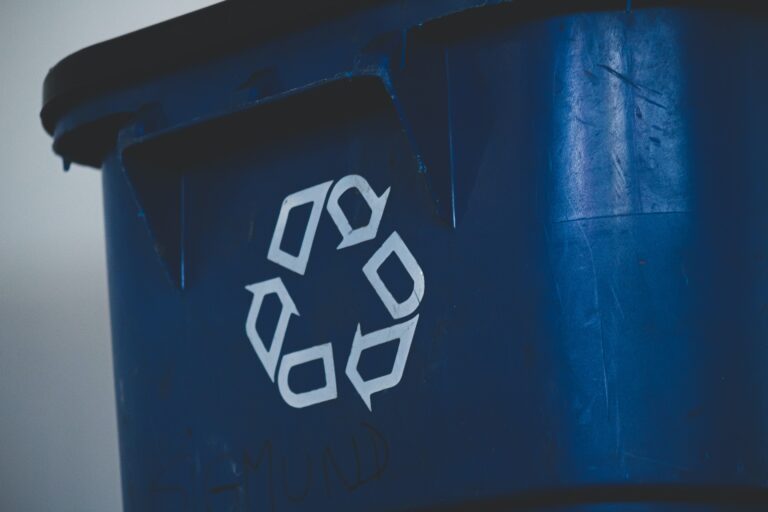
Biologisch abbaubar vs. Nicht biologisch abbaubare Materialien: Eine vergleichende Analyse

The choice between biodegradable and non-biodegradable materials is pivotal in the quest for a sustainable future. In diesem Blog, we delve into the meanings, examples, distinctions, environmental impacts, and the importance of opting for biodegradable materials.
Biodegradable Vs. Non Biodegradable Materials A Comparative Analysis

Biologisch abbaubar vs. Nicht biologisch abbaubare Materialien

Biodegradable materials are substances capable of decomposing naturally, returning to the environment as harmless compounds. Non-biodegradable materials, conversely, do not break down significantly and persist in the environment for extended periods.

Examples of Biodegradable Materials

Examples of biodegradable materials include food scraps, paper, cardboard, and certain plastics like PLA (polylactic acid). These materials degrade naturally over time through microbial action.

Examples of Non-Biodegradable Materials

Non-biodegradable materials comprise many plastics, synthetic textiles, metals, and glass. These materials do not decompose readily and often remain intact for centuries.

Key Differences

Biodegradable materials break down naturally into organic matter, while non-biodegradable materials persist indefinitely. The former minimizes environmental impact, while the latter contributes to pollution and waste.

Environmental Impact of Non-Biodegradable Materials

Non-biodegradable materials pose significant environmental threats. They accumulate in landfills, oceans, and ecosystems, releasing toxins and causing harm to wildlife. Their persistence in the environment exacerbates pollution and resource depletion.

The Imperative of Choosing Biodegradable Materials

Choosing biodegradable materials is essential to mitigate environmental damage. Biodegradable options reduce waste, alleviate the burden on landfills, and minimize the release of harmful substances into ecosystems. Making informed choices in favor of biodegradable materials aligns with sustainable and eco-conscious living.

Abschluss

The stark contrast between biodegradable and non-biodegradable materials underscores the importance of mindful material selection. Biodegradable materials promote a sustainable, less-polluted future, while non-biodegradable counterparts perpetuate environmental degradation. Opting for biodegradable alternatives is a conscientious step towards preserving our planet for future generations.


Anwendungsfallanalyse und Perspektiven

Anwendungsfallanalyse und Perspektiven

Tableware-Blog Der Aufstieg biologisch abbaubarer Materialien in Tableware

Setzen Sie auf umweltfreundliches Geschirr: Ein nachhaltiger Wandel für eine grünere Zukunft

Entdecken Sie die umweltfreundliche Revolution beim Essen mit nachhaltigem Geschirr. Erfahren Sie, wie Sie von herkömmlichen Kunststoffen auf biologisch abbaubare Kunststoffe umsteigen, kompostierbar, oder wiederverwendbare Optionen reduzieren den Abfall, schont Ressourcen, und fördert einen gesünderen Planeten. Schließen Sie sich der Bewegung für umweltfreundlichere Essgewohnheiten für eine nachhaltige Zukunft an.

Blog Was macht die steigende Nachfrage nach umweltfreundlichen Utensilien aus?

Was die steigende Nachfrage nach umweltfreundlichen Utensilien ausmacht?

Die steigende Nachfrage nach umweltfreundlichen Utensilien ist auf das Verbraucherbewusstsein zurückzuführen, Umweltbedenken, Notwendigkeiten zur Abfallreduzierung, und die Förderung der Ressourcenschonung. Die Nutzung dieser Utensilien fördert eine nachhaltige Esskultur, Reduzierung der Plastikverschmutzung und Förderung des Umweltschutzes.

Blog Was können wir tun, um Plastikmüll zu reduzieren?

Was können wir tun, um Plastikmüll zu reduzieren??

Entdecken Sie wirksame Strategien zur Reduzierung von Plastikmüll und zur Minderung von Umweltschäden. Von der Akzeptanz wiederverwendbarer Alternativen bis hin zum Eintreten für Richtlinienänderungen, Erfahren Sie, wie Einzelpersonen einen positiven Beitrag zur Bekämpfung der Plastikverschmutzung leisten können. Ergreifen Sie noch heute Maßnahmen für eine sauberere Anlage, nachhaltigere Zukunft.

Holen Sie sich ein schnelles Angebot

Wir werden innerhalb antworten 12 Std, achten Sie bitte auf die E-Mail mit dem Suffix „@vvg-global.com“.

Sie können auch zum gehen Kontaktseite, das eine umfangreichere Form hat, wenn Sie weitere Produktfragen haben oder eine Papier- und Einweglösung aushandeln möchten.