In der heutigen Welt, Bedenken hinsichtlich der Plastikverschmutzung und der Umweltauswirkungen von Einwegprodukten nehmen zu. Zu den Hauptproblemen zählen Chemikalien wie BPA und die mangelnde Erneuerbarkeit von Kunststoffen. Die Auseinandersetzung mit diesen Bedenken ist für den Schutz sowohl der ökologischen Nachhaltigkeit als auch der persönlichen Gesundheit von entscheidender Bedeutung.
Bedenken hinsichtlich traditionellem Geschirr
1. Chemische Exposition:
Viele traditionelle Geschirrartikel, insbesondere solche aus Kunststoff, enthalten schädliche Chemikalien wie BPA (Bisphenol-a). Diese Chemikalien können in Lebensmittel und Getränke ausgelaugt werden, Es birgt Gesundheitsrisiken wie Hormonstörungen und potenziell krebserregende Wirkungen.
2. Umweltauswirkungen:
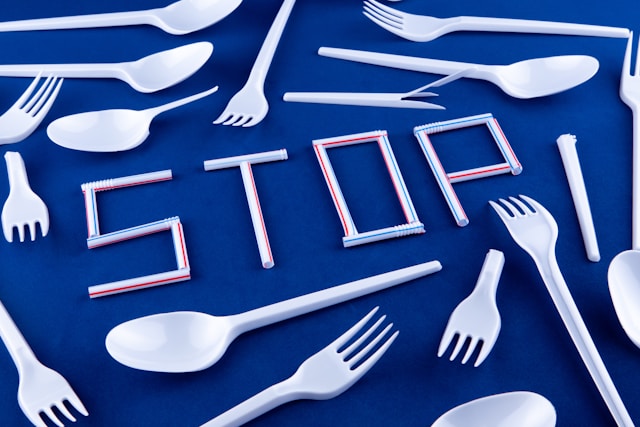
Herkömmliches Plastikgeschirr trägt zur Umweltverschmutzung und Ressourcenverknappung bei. Ihre Produktion ist stark auf nicht erneuerbare fossile Brennstoffe angewiesen, und ihre Entsorgung führt oft zu Müll und Meeresverschmutzung.
Umfassendes Bambusgeschirr
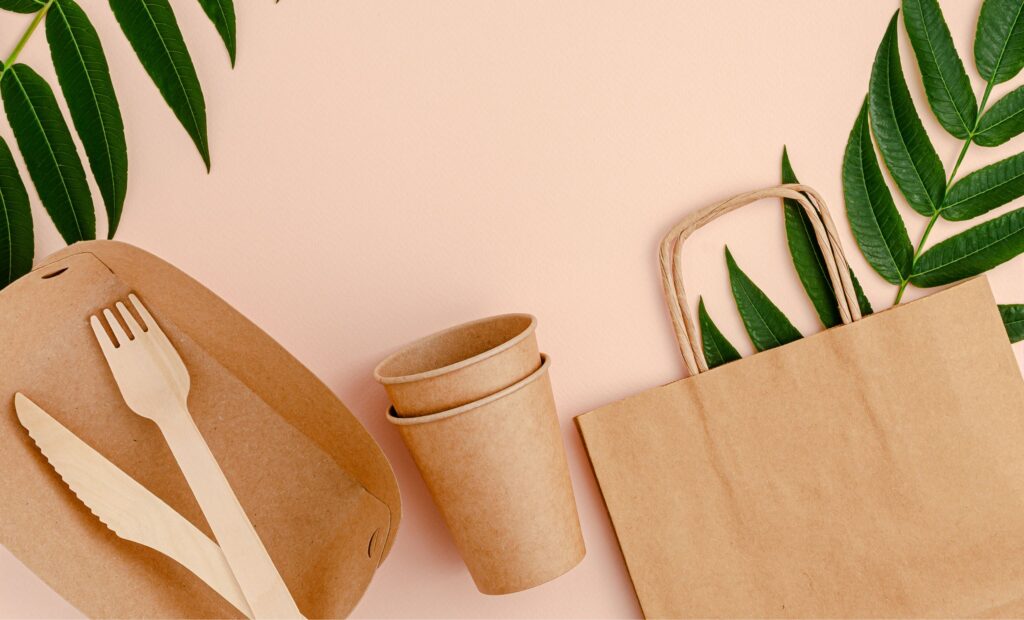
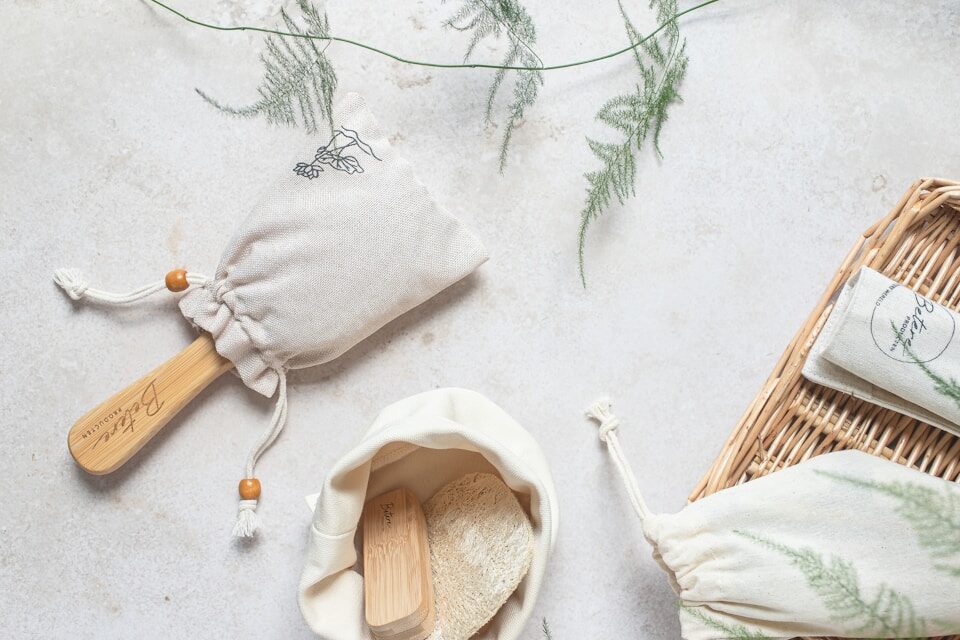
Glücklicherweise, Es gibt eine nachhaltige Alternative: Bambusgeschirr. Bambus wächst schnell, eine erneuerbare Anlage, die sowohl für Verbraucher als auch für die Umwelt mehrere Vorteile bietet.
1. Erneuerbarkeit:
Bambus wächst schnell und reichlich, Dies macht es zu einer umweltfreundlichen Alternative zu herkömmlichem Holz oder Kunststoff. Sein schneller Wachstumszyklus gewährleistet eine leicht verfügbare und nachhaltige Rohstoffquelle für die Tischgeschirrproduktion.
2. Ungiftig:
Bambusgeschirr ist frei von schädlichen Chemikalien und Zusatzstoffen. Im Gegensatz zu einigen Kunststoffen, Bambus gibt keine Schadstoffe an die Nahrung ab, Gewährleistung eines sicheren und gesunden Speiseerlebnisses.
3. Biologische Abbaubarkeit:
Bambusgeschirr ist biologisch abbaubar, Das heißt, es kann sich auf natürliche Weise zersetzen, ohne schädliche Rückstände zu hinterlassen oder zur langfristigen Umweltverschmutzung beizutragen. Dies macht es zu einer umweltfreundlichen Wahl für alle, die ihren CO2-Fußabdruck reduzieren möchten.
4. Haltbarkeit:
Trotz seiner biologischen Abbaubarkeit, Bambusgeschirr ist überraschend langlebig. Es hält dem täglichen Gebrauch stand und ist resistent gegen Schäden durch Hitze und Feuchtigkeit, Dies macht es zu einer praktischen und langlebigen Option für Mahlzeiten im Innen- und Außenbereich.
Abschließend, Der Übergang zu Bambusgeschirr bietet eine nachhaltige Lösung für die Bedenken rund um traditionelles Geschirr. Durch die Eliminierung der Belastung durch schädliche Chemikalien und Zusatzstoffe, Verringerung der Umweltverschmutzung, und Förderung erneuerbarer Ressourcen, Bambusgeschirr unterstützt sowohl die persönliche Gesundheit als auch das Wohlbefinden der Umwelt. Der Umstieg auf Bambus sorgt nicht nur für eine gesunde Ernährung, sondern trägt auch zu einer umweltfreundlicheren Ernährung bei, eine nachhaltigere Zukunft für kommende Generationen.