Η ρύπανση και η καταστροφή του περιβάλλοντος γίνονται όλο και πιο σοβαρές, και η υπερβολική κατανάλωση πόρων και ενέργειας και η σοβαρή απειλή που συνιστά για την ανθρώπινη επιβίωση έχει οδηγήσει σε ένα πράσινο κύμα στον κόσμο σήμερα με πυρήνα την προστασία του οικολογικού περιβάλλοντος.
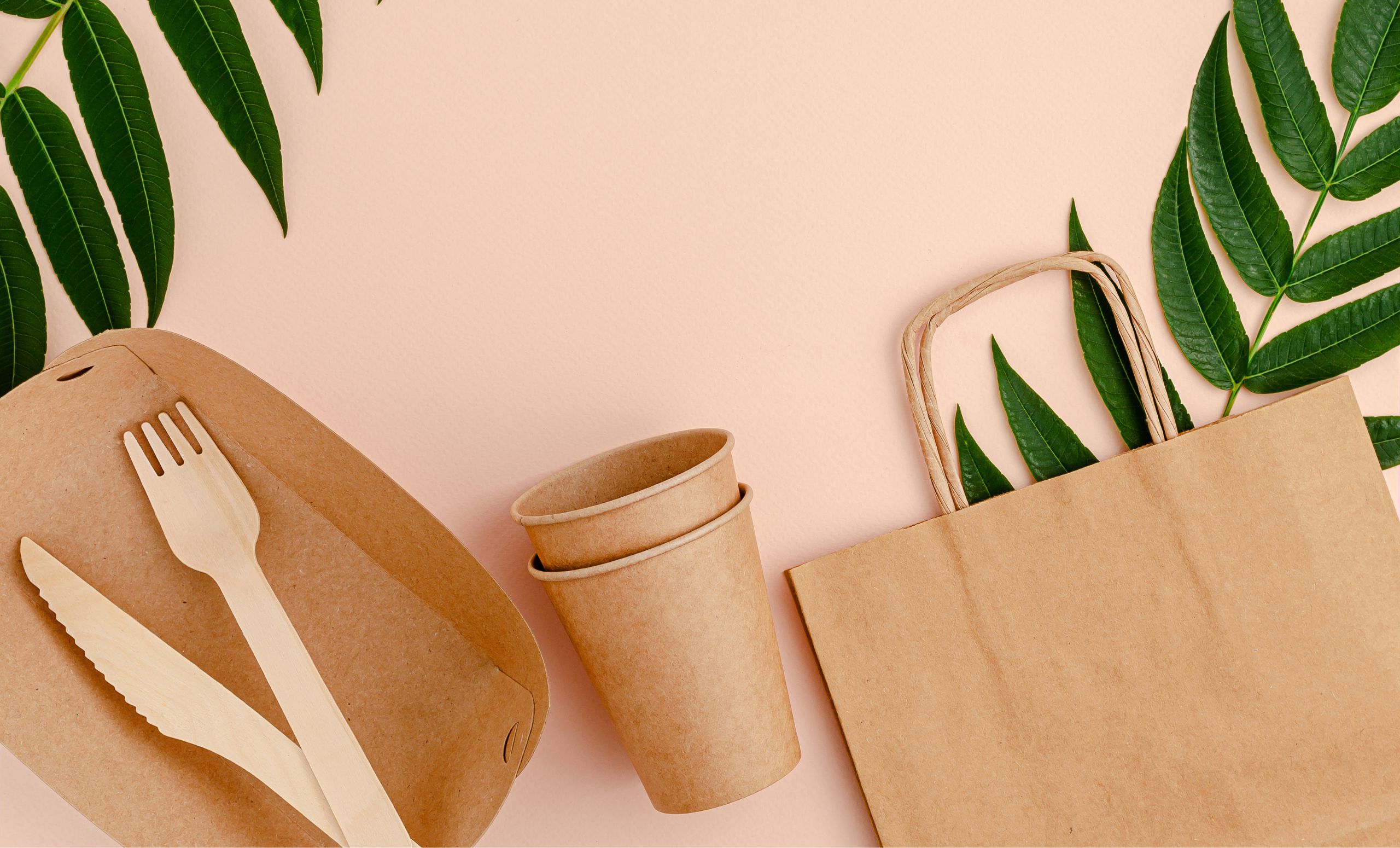
Σε αυτό το φόντο, πολλές χώρες και εταιρείες κάνουν διαφορετικές προσπάθειες. Για παράδειγμα, στη βιομηχανία επιτραπέζιων σκευών, έχουν γίνει βελτιώσεις με βάση τα παραδοσιακά επιτραπέζια σκεύη, και τέσσερις διαφορετικοί τύποι επιτραπέζιων σκευών φιλικών προς το περιβάλλον, δηλαδή, διασπώμενα επιτραπέζια σκεύη, χάρτινα επιτραπέζια σκεύη, επιτραπέζια σκεύη από φυτικές ίνες, και βρώσιμα σερβίτσια.
Η ακόλουθη ανάρτηση θα σας παρουσιάσει ένα προς ένα αυτά τα φιλικά προς το περιβάλλον επιτραπέζια σκεύη, και θα σας οδηγήσει να κατανοήσετε τις σχετικές γνώσεις για τα φιλικά προς το περιβάλλον επιτραπέζια σκεύη!
Βιοδιασπώμενα επιτραπέζια σκεύη
Η αρχή των αποικοδομήσιμων επιτραπέζιων σκευών είναι η χρήση μεθόδων μικροβιακής αποδόμησης και η προσθήκη φωτοευαισθητοποιητών για την επιτάχυνση της διαδικασίας γήρανσης και ρωγμάτωσης των επιτραπέζιων σκευών, ώστε το επιτραπέζιο σκεύος να γίνει φιλικό προς το περιβάλλον. Επί του παρόντος, βιοδιασπώμενα πλαστικά, φωτοδιασπώμενα πλαστικά, φωτο-βιοδιασπώμενα πλαστικά επιτραπέζια σκεύη, και τα λοιπά. έχουν αναπτυχθεί διεθνώς.
Ήδη από τη δεκαετία του 1970, Οι βρετανικές εταιρείες άρχισαν να μελετούν βιοδιασπώμενα πλαστικά και ανέπτυξαν με επιτυχία προϊόντα που συντέθηκαν από μικροοργανισμούς. Ιταλικές εταιρείες έχουν αναπτύξει βιοδιασπώμενα πλαστικά με ανάμεικτο άμυλο ως πρώτες ύλες και κυκλοφόρησαν σχετικά προϊόντα.
Στη δεκαετία του 1990, Αμερικανικές εταιρείες λάνσαρε ένα πραγματικά πλήρως βιοδιασπώμενο υλικό, που αποτελείται κυρίως από άμυλο καλαμποκιού και πατάτας, και προστέθηκε μικρή ποσότητα άλλων βιοαποδομήσιμων υλικών. Η επεξεργασία τους γίνεται από εξωθητήρες.
Η Ιαπωνία έχει επίσης κάνει πολλή έρευνα σε αυτό το θέμα. Έχουν καθορίσει την τεχνολογία ανάμειξης αποικοδομήσιμων πλαστικών με χαρτί, εγκαθιστώντας έτσι το πρόβλημα ότι τα αποικοδομήσιμα πλαστικά είναι ακριβά και δύσκολο να διαδοθούν. Καθιέρωσαν επίσης τρεις τεχνολογίες: μικτή χαρτοποιία, λεπτό έλασμα, και επεξεργασία χύτευσης. Έχουν επίσης αναπτύξει μια ρητίνη αμύλου καλαμποκιού από καλαμπόκι ως πρώτη ύλη και επεξεργασμένη και πλαστικοποιημένη. Τα προϊόντα που παράγονται από αυτό μπορούν να απορριφθούν με καύση, βιοχημική αποσύνθεση, ή εντομοφαγία.
Οι κινεζικές εταιρείες έχουν επίσης σημειώσει μεγάλη πρόοδο σε αυτό το θέμα. Για παράδειγμα, έχουν αναπτύξει με επιτυχία ένα πλήρως αποικοδομήσιμο πλαστικό σύνθετο υλικό φυτών. Αυτό το προϊόν είναι κατασκευασμένο από φυτική σκόνη και φυσικά μέταλλα, συνδετικά, μια μικρή ποσότητα μη τοξικής πλαστικής ρητίνης, προαγωγείς οξυγόνου, και άλλες πρώτες ύλες, και μετατρέπεται σε ένα πλήρως αποικοδομήσιμο πλαστικό φυτικό σύνθετο υλικό μέσω θερμής πίεσης. Αυτό το υλικό μπορεί να χρησιμοποιηθεί ευρέως για την κατασκευή επιτραπέζιων σκευών και άλλων κουτιών συσκευασίας τροφίμων!
Επιτραπέζια σκεύη από χαρτί
Τα χάρτινα σερβίτσια είναι ένα υποκατάστατο των παραδοσιακών πλαστικών επιτραπέζιων σκευών μιας χρήσης. Διαθέτει μεγάλη αγορά σε διάφορες χώρες σε όλο τον κόσμο και είναι ένα ευρέως χρησιμοποιούμενο επιτραπέζιο σκεύος.
Τα χάρτινα υλικά έχουν μια σειρά από πλεονεκτήματα, όπως το να είναι ελαφρύ, καλή απόδοση επεξεργασίας, καλή απόδοση εκτύπωσης, μη τοξικό, άοσμος, όμορφος, και τα λοιπά. Μετά από τόσα χρόνια εξέλιξης, η δύναμη, έλαιο, και αντοχή στο νερό, αντοχή στη θερμότητα, και η μη τοξική και άοσμη απόδοση των χάρτινων επιτραπέζιων σκευών έχουν βελτιωθεί σημαντικά, και η τεχνολογία παραγωγής χάρτινων επιτραπέζιων σκευών έχει γίνει πολύ ώριμη.
Βρώσιμα σερβίτσια
Τα βρώσιμα σερβίτσια παρασκευάζονται συνδυάζοντας τις εγγενείς ιδιότητες του αμύλου, πρωτεΐνη, κυτταρίνη, και τα λοιπά. με άλλα βρώσιμα πρόσθετα σε ορισμένη αναλογία, ανακατεύοντας και πιέζοντας, και χρησιμοποιώντας ορισμένες τεχνικές για να το βελτιώσετε.
Τα πλεονεκτήματά του είναι ότι γίνεται βρώσιμο αφού περιέχει κάποια τροφή, και μπορεί να ανακυκλωθεί ως ζωοτροφή υψηλής ποιότητας. Μπορεί να επεκταθεί και να υποβαθμιστεί μέσα σε μια ορισμένη περίοδο αφού συναντήσει κρύο νερό. Δεν είναι μόνο ακίνδυνο αλλά και ωφέλιμο για το έδαφος, και μπορεί να επιτύχει τον σκοπό της απουσίας σκουπιδιών και μη ρύπανσης.
Τα υλικά των βρώσιμων επιτραπέζιων σκευών περιλαμβάνουν άμυλο taro, άμυλο καλαμποκιού, φυτική πρωτεΐνη, αλεύρι σίτου, άμυλο μανιόκας, και τα λοιπά. Αυτά τα επιτραπέζια σκεύη είναι ανακυκλώσιμα, αποικοδομήσιμο, εδώδιμος, και μη τοξικό.
Επιτραπέζια σκεύη φυτικών ινών
Τα επιτραπέζια σκεύη από φυτικές ίνες παρασκευάζονται με σύνθλιψη άχυρου, ρύζι, φλούδες ρυζιού και σιταριού, καλάμια, και άλλες ετήσιες ποώδεις φυτικές ίνες ή ζαχαροκάλαμο βαγάσας, υπολείμματα μπαμπού, πριονίδια, και άλλα άχρηστα υλικά σε σκόνη και συμπίεση τους με κόλλες, αδιάβροχα μέσα, πληρωτικά και άλλα πρόσθετα κάτω από μια συγκεκριμένη διαδικασία.
Αυτός ο τύπος επιτραπέζιων σκευών είναι μια νέα κατεύθυνση με σχετικά σύντομη ιστορία ανάπτυξης, αλλά μπορούμε να πούμε ότι είναι το πιο φιλικό προς το περιβάλλον από τα τέσσερα είδη επιτραπέζιων σκευών!
Γιατί δεν καταναλώνει ξύλο, και οι πρώτες ύλες είναι ευρέως προερχόμενες και ανανεώσιμες πηγές, δεν θα μολύνει το περιβάλλον κατά τη διαδικασία σχηματισμού και μετά τη διάθεση, έτσι έχει προφανή περιβαλλοντικά πλεονεκτήματα και πλεονεκτήματα στους πόρους.
Συγχρόνως, το προϊόν μπορεί επίσης να γίνει λίπασμα μετά από επαφή με το έδαφος. Για παράδειγμα, υπάρχει ένα είδος επιτραπέζιου σκεύους από καλαμπόκι ως πρώτη ύλη, που μπορεί να αποσυντεθεί και να σαπίσει στο έδαφος περίπου 14 ημέρες και διαλύεται σε νερό σε περίπου 7 Ωρα παράδοσης. Είτε στο χώμα είτε στο νερό, είναι λίπασμα υψηλής ποιότητας.
Στον τομέα των φιλικών προς το περιβάλλον επιτραπέζιων σκευών, συνιστούμε περισσότερο επιτραπέζια σκεύη από φυτικές ίνες. Επειδή υπάρχουν άφθονα απόβλητα καλλιεργειών στη γη, Οι φυτικοί πόροι είναι επίσης πολύ άφθονοι. Όλα αυτά είναι ανανεώσιμες πηγές. Η χρήση τους για την κατασκευή επιτραπέζιων σκευών ευνοεί την ορθολογική χρήση των γεωργικών πόρων και την αύξηση της προστιθέμενης αξίας των γεωργικών προϊόντων.
Η VVG ECO έχει πολυετή εμπειρία κατασκευής και εξαγωγής στον τομέα των επιτραπέζιων σκευών από φυτικές ίνες. Μας επιτραπέζια σκεύη από οικολογικό μπαμπού και οικολογικά επιτραπέζια σκεύη από ζαχαροκάλαμο παρέχουν μια βιώσιμη επιλογή για άτομα που υποστηρίζουν την προστασία του περιβάλλοντος!