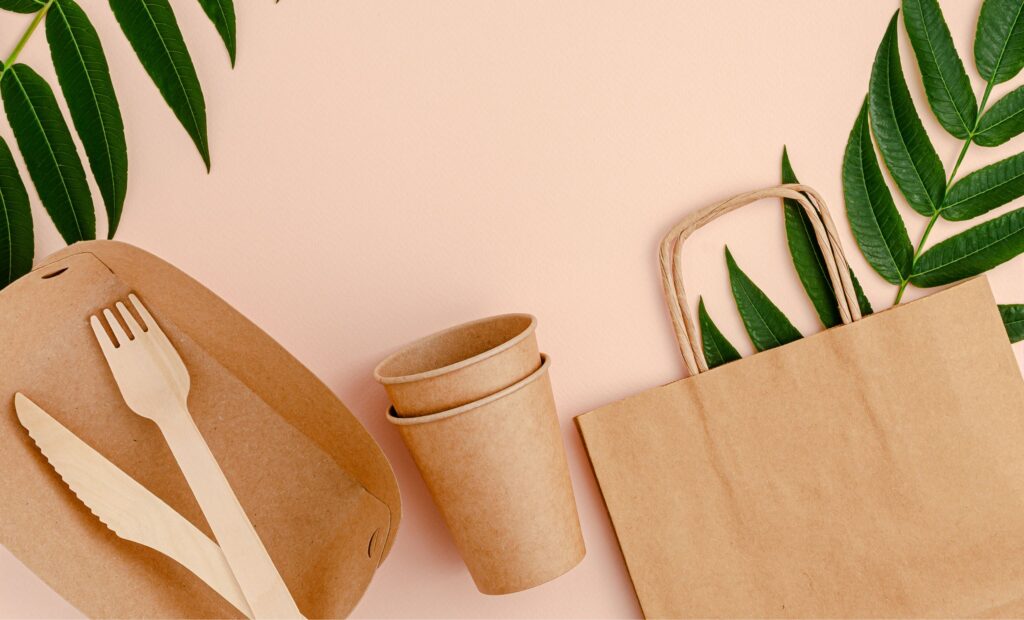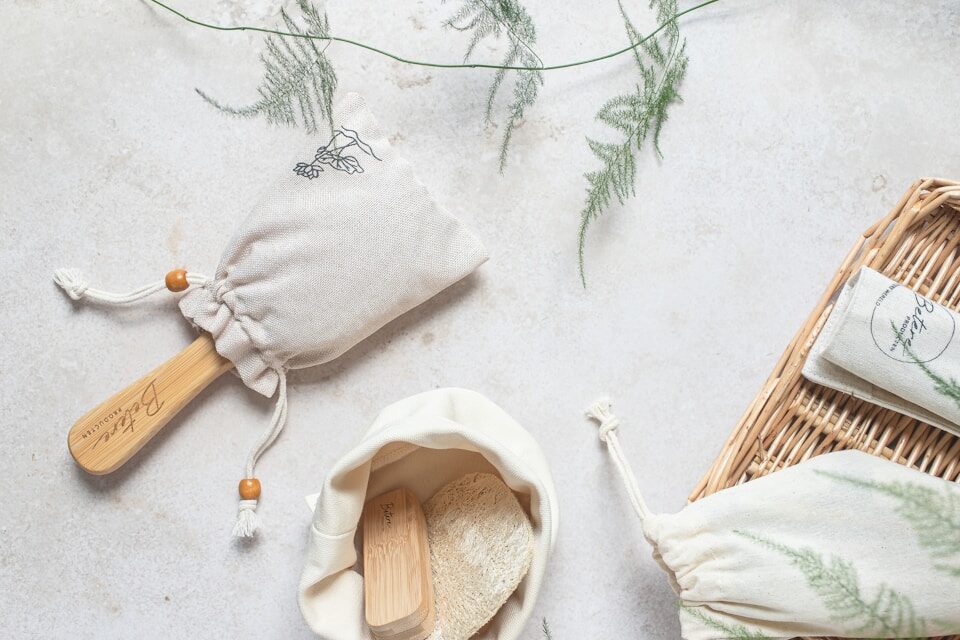

En la hodiaŭa mondo, zorgoj pri plasta poluo kaj la media efiko de forĵeteblaj produktoj pliiĝas. Inter la ĉefaj zorgoj estas kemiaĵoj kiel BPA kaj la manko de renovigebleco en plastoj. Trakti ĉi tiujn zorgojn estas decida por protekti kaj median daŭripovon kaj personan sanon.
Zorgoj pri Tradicia Tablovaro
1. Kemia Ekspozicio:
Multaj tradiciaj tablovaroj, precipe tiuj faritaj el plastoj, enhavas malutilajn kemiaĵojn kiel BPA (bisfenol-a). Ĉi tiuj kemiaĵoj povas lekigi manĝaĵojn kaj trinkaĵojn, prezentante sanriskojn kiel hormona interrompo kaj eblaj kancerigaj efikoj.
2. Media Efiko:
Konvencia plasta servilo kontribuas al poluo kaj malplenigo de rimedoj. Ilia produktado dependas multe de nerenovigeblaj fosiliaj brulaĵoj, kaj ilia forigo ofte kondukas al rubo kaj mara poluado.
Brakumante Bambuan Tablovaron
Feliĉe, ekzistas daŭrigebla alternativo: bambua servilo. Bambuo estas rapide kreskanta, renovigebla planto kiu ofertas plurajn avantaĝojn por kaj konsumantoj kaj la medio.
1. Renovigebleco:
Bambuo kreskas rapide kaj abunde, igante ĝin ekologiema alternativo al tradicia ligno aŭ plasto. Ĝia rapida kreskciklo certigas facile haveblan kaj daŭrigeblan fonton de kruda materialo por tabloproduktado.
2. Ne-Tokseco:
Bambuaj serviloj estas liberaj de malutilaj kemiaĵoj kaj aldonaĵoj. Male al iuj plastoj, bambuo ne lesivas malutilajn substancojn en manĝaĵojn, certigante sekuran kaj sanan manĝan sperton.
3. Biodegradebleco:
Bambuaj serviloj estas biodiserigeblaj, signifante ke ĝi povas nature putriĝi sen lasi damaĝajn restaĵojn aŭ kontribuante al longdaŭra media poluado.. Ĉi tio faras ĝin ekologia elekto por tiuj, kiuj zorgas pri reduktado de sia karbonsigno.
4. Fortikeco:
Malgraŭ ĝia biodiserigebla naturo, bambua servilo estas surprize daŭra. Ĝi povas elteni ĉiutagan uzon kaj estas imuna al damaĝo de varmego kaj humideco, farante ĝin praktika kaj longdaŭra opcio por endoma kaj subĉiela manĝado.
En konkludo, Transiro al bambua servilo ofertas daŭrigeblan solvon al la zorgoj ĉirkaŭ tradiciaj serviloj. Forigante eksponiĝon al malutilaj kemiaĵoj kaj aldonaĵoj, reduktante median poluon, kaj promocii renovigeblajn rimedojn, bambua servilo subtenas kaj personan sanon kaj median bonfarton. Fari la ŝanĝon al bambuo ne nur certigas manĝan sanon sed ankaŭ kontribuas al pli verda, pli daŭrigebla estonteco por la venontaj generacioj.