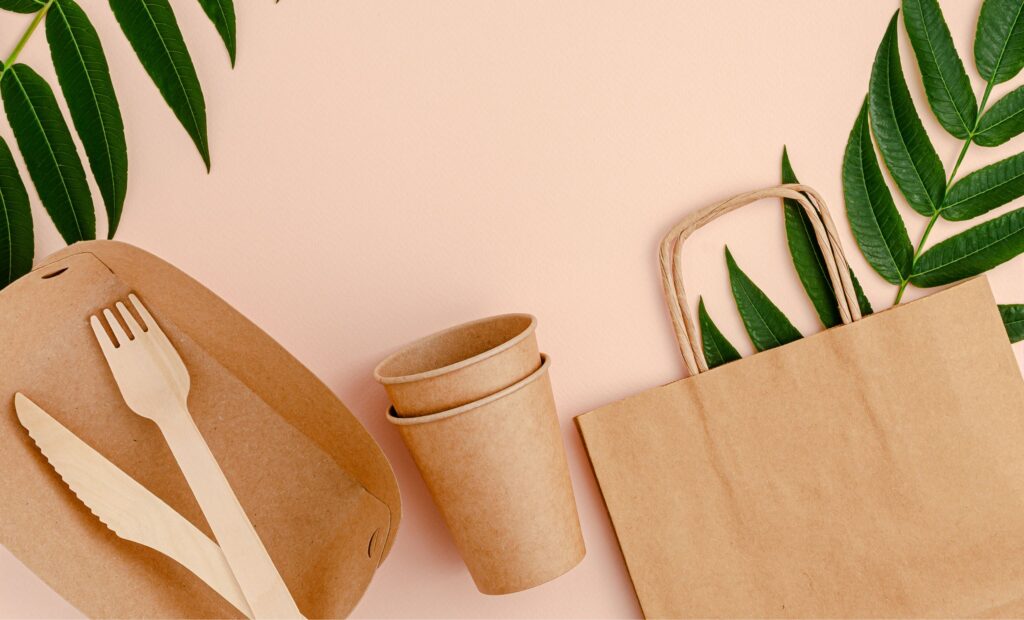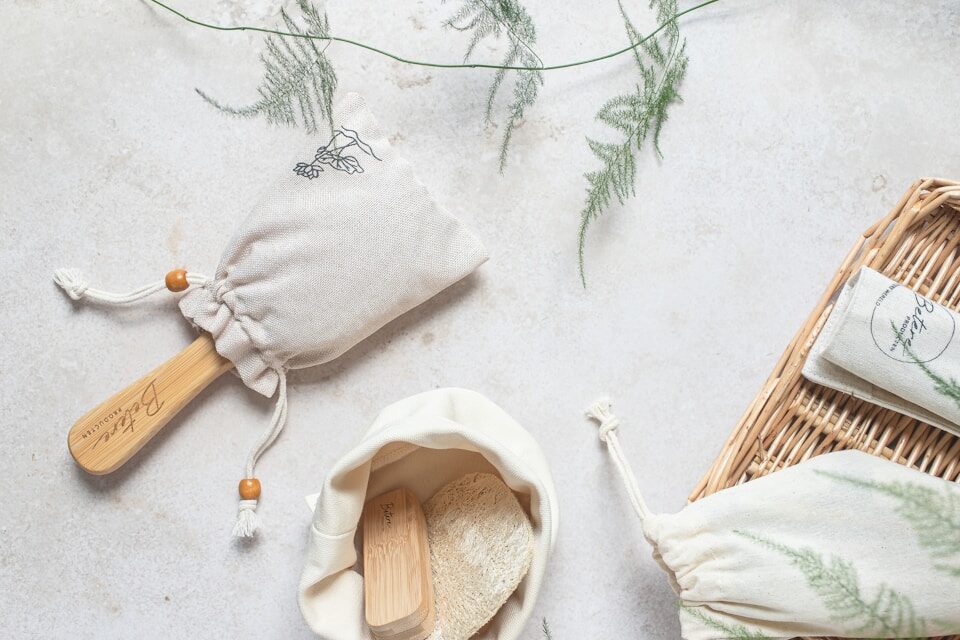

In our quest for sustainability, the choice of eco-friendly utensils has become increasingly popular. From compostable cups to biodegradable cutlery, these alternatives to traditional plastic products offer promising solutions to environmental concerns. However, one crucial aspect often overlooked is understanding the biodegradation time of these eco-friendly utensils.
Biodegradation time refers to the duration it takes for a material to decompose naturally into simpler, harmless substances in the environment. When it comes to eco-friendly utensils, such as those made from paper, stáirse arbhair, or bamboo, their biodegradation time can vary significantly based on several factors.
Material Type
Different eco-friendly utensils are made from various materials, each with its own biodegradation characteristics. For instance, paper utensils tend to degrade relatively quickly compared to bamboo ones.
Environmental Conditions
The environment plays a crucial role in the biodegradation process. Factors such as temperature, humidity, and microbial activity can influence how quickly eco-friendly utensils break down. Warmer and more humid environments generally accelerate biodegradation, while colder or drier conditions may slow it down.
Product Design and Composition
The design and composition of eco-friendly utensils can also impact their biodegradation time. Utensils that are coated with certain chemicals or laminates may take longer to biodegrade compared to those without such coatings.
Understanding the biodegradation time of eco-friendly utensils is essential for making informed choices and managing waste effectively. By selecting utensils that biodegrade at a reasonable rate and disposing of them properly, we can minimize our environmental footprint and contribute to a healthier planet.
It’s important to note that while eco-friendly utensils offer advantages over traditional plastic alternatives, proper disposal practices are crucial for maximizing their environmental benefits. Composting facilities or industrial composting programs are often the best options for ensuring that these utensils degrade efficiently.
I gcrích, while the biodegradation time of eco-friendly utensils may vary, they represent a step in the right direction towards sustainability. By understanding the factors influencing their biodegradation and adopting responsible disposal practices, we can harness the full potential of these utensils in our efforts to protect the planet for future generations.