
N'ụwa nke taa, concerns about plastic pollution and the environmental impact of disposable products are escalating. Among the primary concerns are chemicals such as BPA and the lack of renewability in plastics. Addressing these concerns is crucial for safeguarding both environmental sustainability and personal health.
Concerns with Traditional Tableware
1. Chemical Exposure:
Many traditional tableware items, particularly those made from plastics, contain harmful chemicals like BPA (bisphenol-A). These chemicals can leach into food and beverages, posing health risks such as hormone disruption and potential carcinogenic effects.
2. Mmetụta gburugburu:
Conventional plastic tableware contributes to pollution and resource depletion. Their production relies heavily on non-renewable fossil fuels, and their disposal often leads to littering and marine pollution.
Embracing Bamboo Tableware
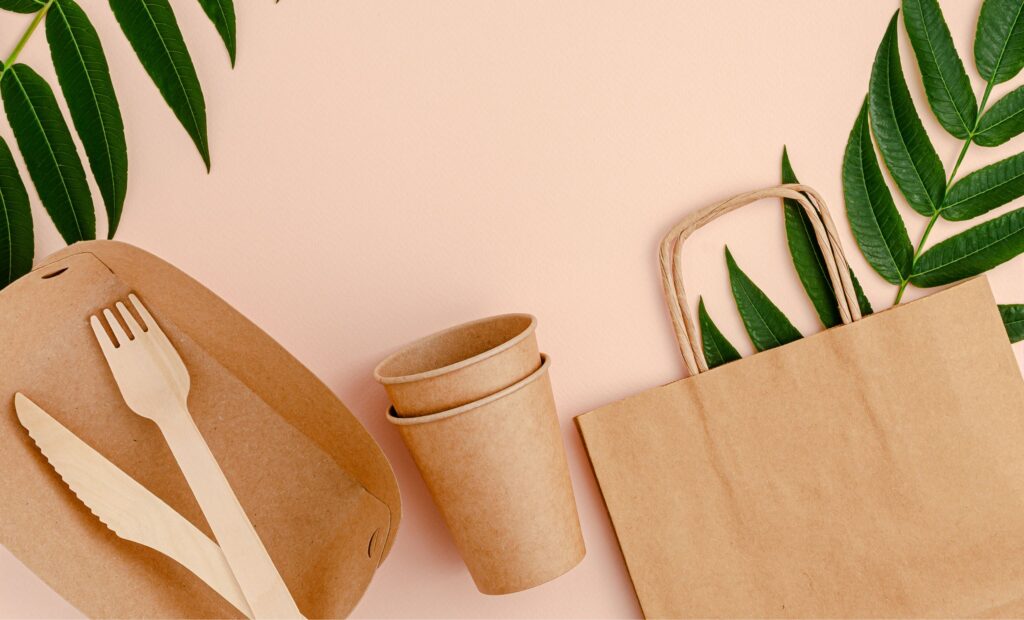
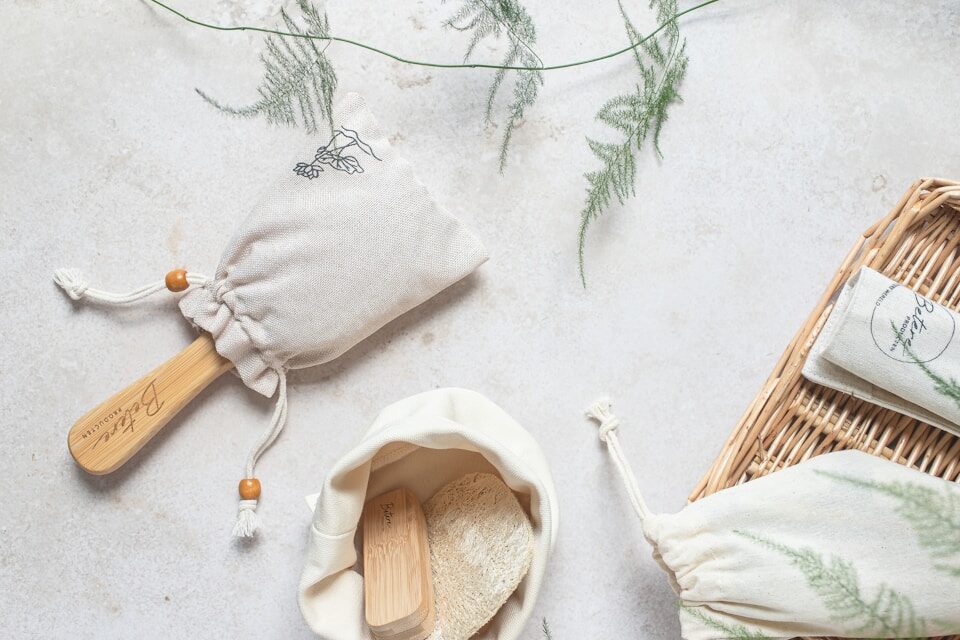
Fortunately, there’s a sustainable alternative: bamboo tableware. Bamboo bụ ihe na-eto ngwa ngwa, renewable plant that offers several advantages for both consumers and the environment.
1. Renewability:
Bamboo grows rapidly and abundantly, making it an environmentally friendly alternative to traditional wood or plastic. Its quick growth cycle ensures a readily available and sustainable source of raw material for tableware production.
2. Non-Toxicity:
Bamboo tableware is free from harmful chemicals and additives. Unlike some plastics, bamboo does not leach harmful substances into food, ensuring a safe and healthy dining experience.
3. Biodegrad:
Bamboo tableware is biodegradable, meaning it can naturally decompose without leaving harmful residues or contributing to long-term environmental pollution. This makes it an eco-friendly choice for those concerned about reducing their carbon footprint.
4. Durability:
Despite its biodegradable nature, bamboo tableware is surprisingly durable. It can withstand daily use and is resistant to damage from heat and moisture, making it a practical and long-lasting option for both indoor and outdoor dining.
Na ngwụcha, transitioning to bamboo tableware offers a sustainable solution to the concerns surrounding traditional tableware. By eliminating exposure to harmful chemicals and additives, reducing environmental pollution, and promoting renewable resources, bamboo tableware supports both personal health and environmental well-being. Making the switch to bamboo not only ensures dietary health but also contributes to a greener, more sustainable future for generations to come.