
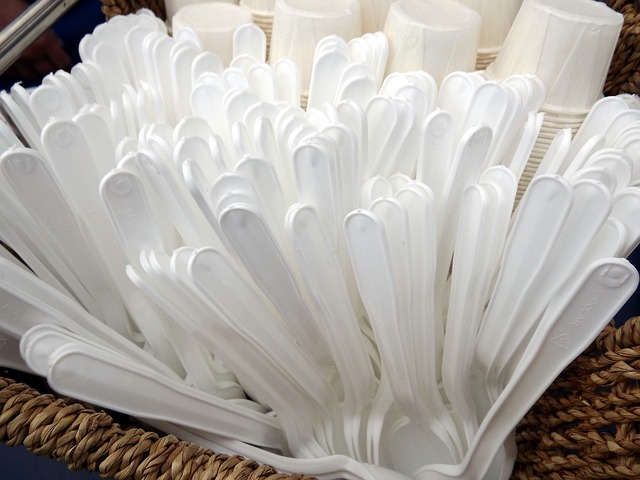
In the fast-paced world of convenience, disposable utensils have become ubiquitous in our daily lives. From plastic forks to paper plates, these single-use items offer convenience but at a significant cost to our environment. In questo post del blog, we’ll explore the various ways in which disposable utensils pose a threat to the environment.
Plastic Pollution
One of the most glaring issues with disposable utensils is their contribution to plastic pollution. The majority of disposable utensils are made from plastic, which is non-biodegradable and can take hundreds of years to decompose. As a result, discarded plastic utensils often end up in landfills or, worse, in our oceans, where they pose a serious threat to marine life. Animals may mistake plastic utensils for food, leading to ingestion and potentially fatal consequences.
Resource Depletion
The production of disposable utensils requires significant amounts of natural resources, including water, fossil fuels, and raw materials like plastic or paper. As demand for these items continues to rise, so does the strain on these finite resources. Additionally, the manufacturing process emits greenhouse gases and other pollutants, contributing to environmental degradation and climate change.
Energy Consumption
The entire lifecycle of disposable utensils, from production to disposal, consumes large amounts of energy. Manufacturing processes, transportation, and waste management all require energy inputs, primarily derived from fossil fuels. This reliance on non-renewable energy sources further exacerbates environmental issues and contributes to carbon emissions.
Landfill Overflow
Despite efforts to recycle, a significant portion of disposable utensils still ends up in landfills. These landfills quickly reach capacity, leading to overflow and environmental contamination. Plastic utensils buried in landfills can release harmful chemicals as they degrade, further polluting soil and water sources.
Microplastic Pollution
As plastic utensils degrade over time, they break down into smaller fragments known as microplastics. These microscopic particles are pervasive in the environment and can be ingested by organisms at the base of the food chain, eventually making their way into the human food supply. The long-term effects of microplastic ingestion on human health are still being studied, but the potential risks are concerning.
Insomma, while disposable utensils offer convenience in the short term, their long-term environmental impact is undeniable. From plastic pollution to resource depletion and energy consumption, the use of disposable utensils poses significant challenges to environmental sustainability. As individuals and communities, we must prioritize the reduction of single-use items and seek out alternatives that are more environmentally friendly. Whether through reusable utensils, compostable options, or innovative solutions, we all have a role to play in mitigating the harm caused by disposable utensils and preserving the health of our planet for future generations.