
In our quest for convenience and aesthetics, we often overlook the potential dangers posed by toxic tableware. From harmful chemicals to unsafe production practices, toxic tableware can have serious consequences for our health and the environment. Let’s delve into what constitutes toxic tableware and the hazards it presents:
What is Toxic Tableware?
Toxic tableware encompasses products made from materials that contain harmful substances such as lead, cadmium, BPA (bisphenol-A), phthalates, and melamine. These chemicals can leach into food and beverages, posing health risks when ingested over time.
What are the Health Hazards?
The consumption of food or drinks contaminated by toxic tableware can lead to various health issues, including:
· Hormonal Disruption:
Chemicals like BPA and phthalates are known endocrine disruptors, interfering with hormonal balance and potentially causing reproductive problems, developmental delays, and other health issues.
· Neurological Effects:
Lead and cadmium exposure from tableware can result in neurological damage, particularly in children, leading to learning disabilities, decreased IQ, and behavioral problems.
· Cancer Risk:
Some chemicals found in toxic tableware, such as formaldehyde and styrene, are classified as carcinogens and may increase the risk of cancer with prolonged exposure.
How Toxic Tableware Impacts Environment?
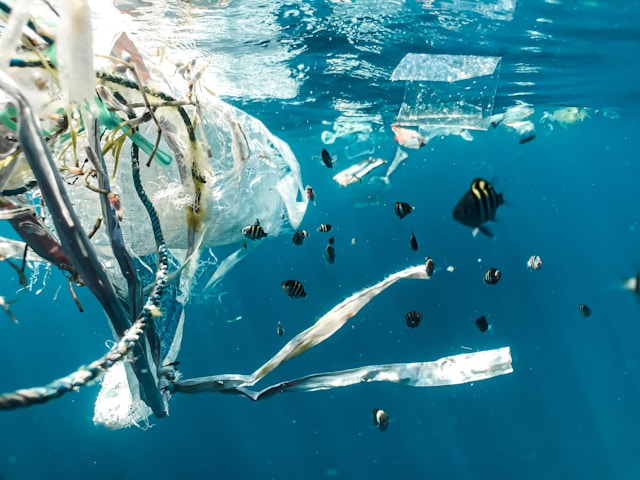
In addition to posing health risks, toxic tableware contributes to environmental pollution and degradation. Improper disposal of these products can contaminate soil and water sources, harming ecosystems and wildlife. 게다가, the production and disposal of toxic tableware often involve the release of harmful emissions and the depletion of natural resources.
How to Choose Tableware?
To reduce exposure to toxic tableware, opt for safer alternatives made from materials such as glass, stainless steel, ceramic, or certified food-grade plastics. Choose products that are labeled as BPA-free, phthalate-free, and lead-free, and prioritize those with third-party certifications for safety and environmental sustainability.
Toxic tableware poses significant health risks and environmental challenges. By understanding the hazards associated with these products and making informed choices, we can protect ourselves and our planet from harm. Let’s advocate for safer manufacturing practices, support regulations that prioritize consumer safety, and choose tableware that promotes health and sustainability. 함께, we can create a safer and healthier dining experience for all.