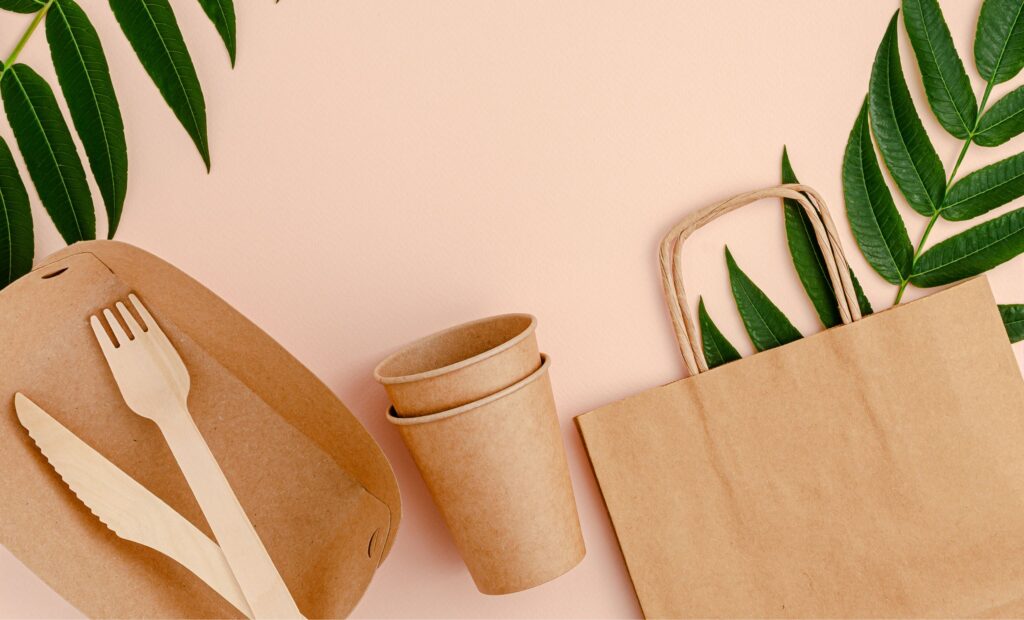
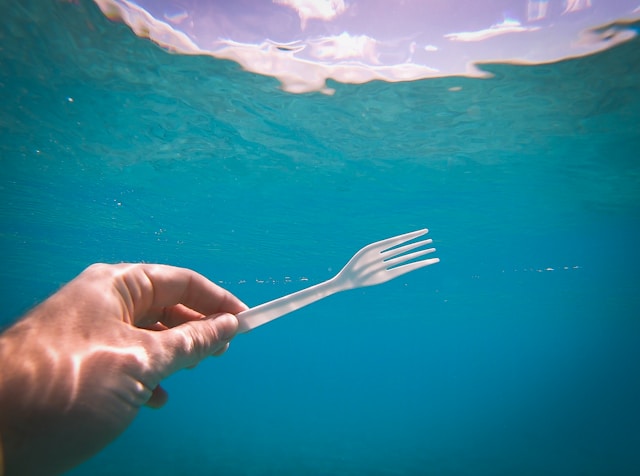
Amin'ny fikatsahana ny faharetana eran-tany, Ny safidy ataontsika amin'ny zavatra andavanandro dia misy fiantraikany lalina amin'ny fahasalaman'ny planetantsika. Ny iray amin'izany safidy izany dia ny fitaovana ampiasainay, indrindra forks. Raha toa ka efa ela no nibahana ny tsenan'ny fitaovana fanariana ny forks plastika, nipoitra ny fomba hafa mitsinjo ny tontolo iainana: tsofoka vita amin'ny fary. Ao amin'ity lahatsoratra bilaogy ity, Hodinihintsika ny antony mahatonga ireo garpu fary fary ireo ho safidy tsara indrindra amin'ny tontolo iainana raha oharina amin'ny plastika mitovy aminy..
Loharano azo havaozina
Fako fary, antsoina koa hoe bagasse, ilazana ny sisa tavela amin'ny fibrous rehefa avy naka ranom-boankazo. Tsy toy ny plastika, izay azo avy amin'ny solika fôsily tsy azo havaozina, Ny bagasy dia vokatry ny famokarana siramamy, ka mahatonga azy ho loharano maharitra sy azo havaozina. Amin'ny fampiasana bagasse amin'ny famokarana fork, mampihena ny fiankinan-doha amin'ny tahirin-tsolika fôsily voafetra isika, fanalefahana ny fiantraikan'ny tontolo iainana mifandraika amin'ny fitrandrahana sy fanodinana azy ireo.
Biodegradability
Ny iray amin'ireo tombony mahasarika indrindra amin'ny fako fary dia ny fahapotehan'izy ireo. Tsy toy ny plastika plastika, izay afaka mitoetra ao amin'ny tontolo iainana mandritra ny an-jatony taona, Mandalo simba voajanahary ny garpu bagasse rehefa ariana. Toy ny fitaovana organika, Mirodana ho singa voajanahary amin'ny alalan'ny hetsika mikraoba ny akora bagasy, miverina amin'ny tany nefa tsy mamela ny sisa tavela na microplastics. Ity dingana fanimbana biolojika ity dia mampihena be ny enta-mavesatra amin'ny fanariam-pako ary mampihena ny fandotoana ny ranomasina sy ny tontolo iainana..
Dian-tongotra karbona mihena
Ny famokarana forks plastika dia misy dingana mandany angovo, anisan'izany ny fitrandrahana, fanadiovana, ary polymerization ny akora azo avy amin'ny solika. Mifanohitra, mitaky angovo kely kokoa ny fanamboarana ny forks bagasy ary miteraka entona mampidi-doza kokoa. Amin'ny fampiasana ny fako fary, Tsy vitan'ny hoe mamily ny fako organika avy amin'ny fanariam-pako izahay fa mandray anjara amin'ny fitahirizana karbaona amin'ny alàlan'ny fambolena fary., izay misintona CO2 avy amin'ny atmosfera mandritra ny fitomboany.
Fahombiazan'ny loharanon-karena
Ny forks bagasse dia mampiseho ny fahombiazan'ny loharanon-karena amin'ny fampiasana vokatra fako izay mety ho ariana na hodorana.. Amin'ny fampitomboana ny fako fary, ataontsika tsara ny fampiasana ny loharanon-karena ary ahenantsika ny fandotoana ny tontolo iainana mifandray amin'ny fomba fanariana fako mahazatra. koa, mazàna dia mandany rano kely kokoa ny famokarana lafarinina bagasy ary miteraka fahalotoana kely kokoa raha oharina amin'ny famokarana garena plastika., fanatsarana bebe kokoa ny fahazoan-dàlan'izy ireo miaro ny tontolo iainana.
Fahatsiarovan-tena sy safidin'ny mpanjifa
Miaraka amin'ny fitomboan'ny fahatsiarovan-tena momba ny olana ara-tontolo iainana sy ny fandotoana plastika, mihamaro ny mpanjifa misafidy safidy maharitra. Mifanaraka amin'ny tian'ny mpanjifa amin'ny vokatra mirindra amin'ny tontolo iainana ny fandraisana ny forks bagasse, mitarika ny fangatahana safidy maitso kokoa eny an-tsena. Satria mihamaro ny olon-tsotra sy ny orinasa mifindra amin'ny fitaovana maharitra toy ny forks bagasse, mandray anjara amin'ny zava-maitso isika miaraka, hoavy maharitra kokoa.
Raha fintinina, Ny safidy eo amin'ny garpu fako sy ny garpu plastika dia miitatra mihoatra noho ny fampandehanana fotsiny—dia ahitana ny fanoloran-tena amin'ny fitantanana ny tontolo iainana sy ny fanao maharitra.. Amin'ny alàlan'ny fisafidianana ny forks bagasse, manohana ireo loharano azo havaozina izahay, mampiroborobo ny biodegradability, mampihena ny famoahana karbaona, manatsara ny fahombiazan'ny loharanon-karena, ary mifanaraka amin'ny safidin'ny mpanjifa amin'ny vokatra ara-tontolo iainana. Andeha isika handray ny fiovana mankany amin'ny faharetana amin'ny lafiny iray, manaiky ny fiantraikan'ny safidintsika amin'ny fahasalaman'ny planetantsika.