In the world of eco-friendly tableware, creativity takes center stage as innovative materials pave the way for a sustainable dining revolution. Let’s explore the artistry and ingenuity behind materials like bamboo, suikerstok, kraft paper, en meer, as they redefine the landscape of eco-conscious tableware.
Bamboe
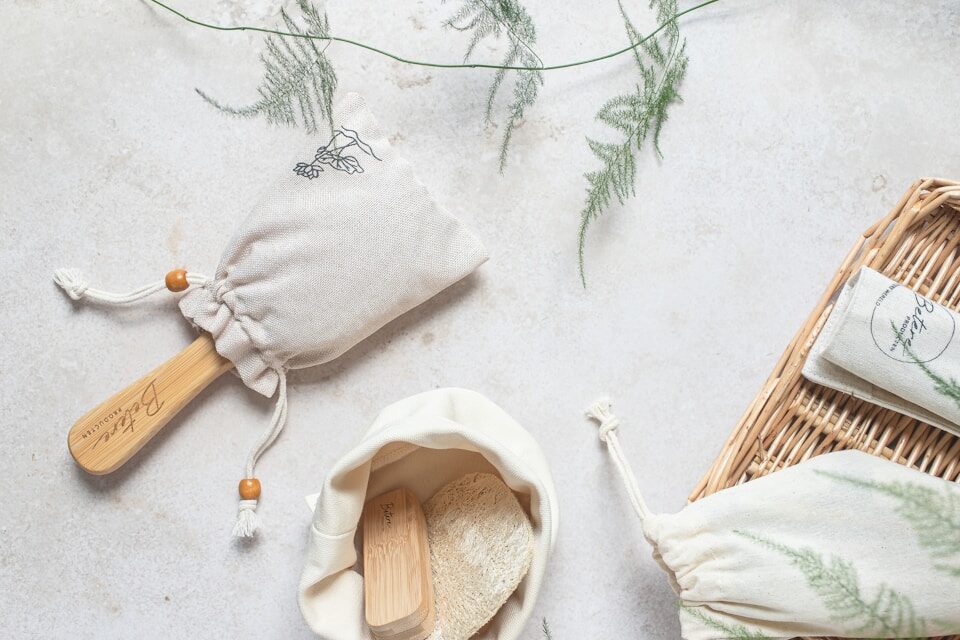
Bamboe, a fast-growing and renewable resource, is a material marvel in the eco-friendly tableware realm. Its versatility allows for the creation of stylish and durable plates, bowls, and utensils. From elegant bamboo fiber dinnerware to intricately designed bamboo cutlery, this material not only showcases nature’s beauty but also embodies the essence of sustainable living.
Sugarcane
Sugarcane, often overlooked as a byproduct of sugar production, emerges as a wizard of eco-friendly tableware materials. With its fibrous structure, sugarcane pulp is transformed into sturdy plates, bowls, and containers. The result is not only biodegradable and compostable tableware but also a testament to turning agricultural waste into functional art for the dining table.
Kraft Paper
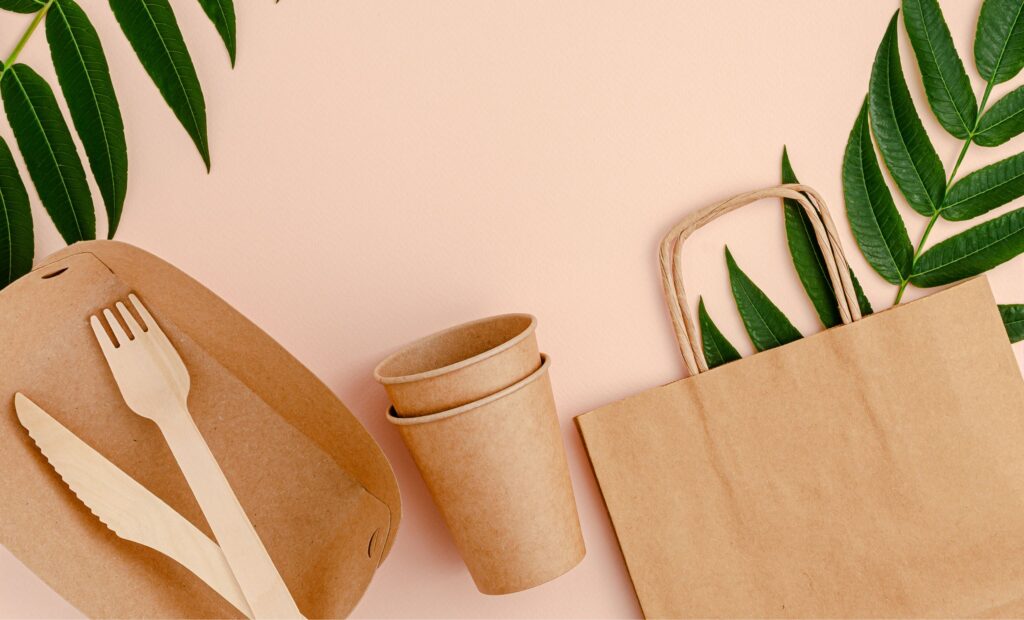
Kraft paper, known for its strength and durability, undergoes a creative transformation into eco-friendly tableware. From disposable cups to innovative folded containers, kraft paper embraces both practicality and sustainability. Its natural texture adds an earthy charm to the dining experience, proving that simplicity can coexist with creativity.
Palm Leaf
Palm leaves, abundant in tropical regions, contribute to the eco-friendly tableware repertoire with their natural elegance. Plates crafted from palm leaves not only exude rustic charm but also offer a unique dining experience. These biodegradable beauties effortlessly combine aesthetics with environmental consciousness, appealing to those who appreciate both style and sustainability.
Cornstarch
Cornstarch, derived from corn, showcases its innovative prowess in the eco-friendly tableware arena. With its bioplastic properties, cornstarch can be molded into various forms, including cutlery and food containers. The resulting utensils not only serve their practical purpose but also contribute to reducing the environmental impact of traditional plastics.
Wheat Straw
Wheat straw, a byproduct of wheat harvesting, is gaining popularity as a sustainable material for eco-friendly tableware. Its fibrous nature allows for the creation of sturdy plates and bowls, adding a touch of rustic charm to the dining experience. Wheat straw tableware stands as a shining example of turning agricultural waste into functional and aesthetically pleasing products.
Recycled Plastic
In the spirit of circular economy, recycled plastic finds a creative redemption in the eco-friendly tableware sector. Ingenious designs transform recycled plastics into durable and stylish tableware, giving a second life to materials that would otherwise contribute to environmental pollution. This innovative approach showcases the potential for upcycling in the pursuit of sustainable dining.
Ten slotte, the material creativity in eco-friendly tableware goes beyond functionality; it becomes a celebration of nature’s offerings and human ingenuity. From bamboo’s grace to sugarcane’s resilience, each material contributes to a sustainable dining experience that is as aesthetically pleasing as it is environmentally conscious. As we embrace these creative alternatives, we take a step closer to a greener, more harmonious tomorrow.