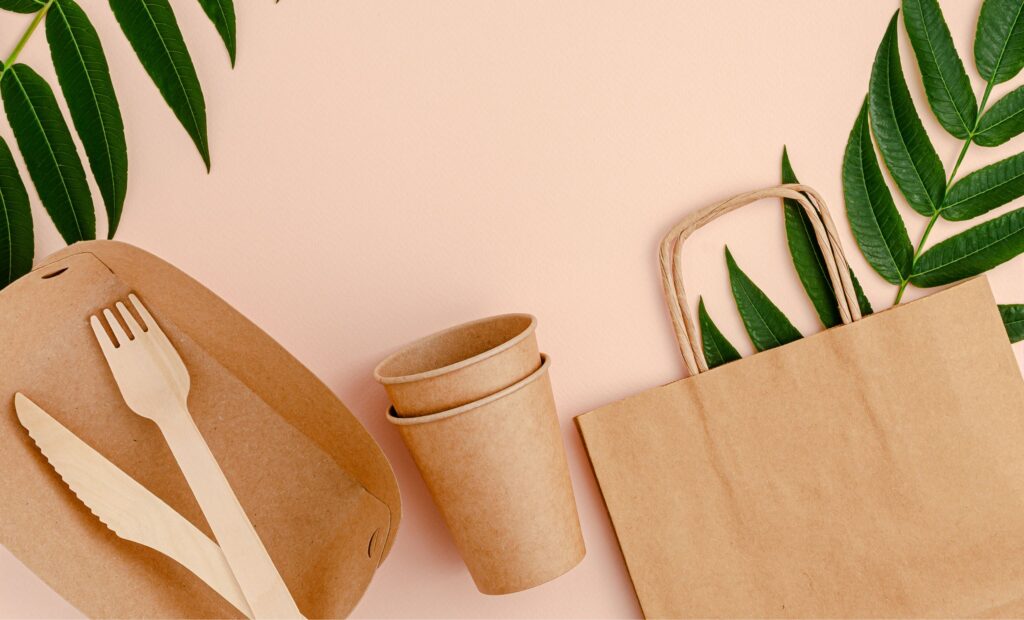

In the global movement towards sustainability, biodegradable utensils have become increasingly popular across various sectors. Let’s explore the diverse range of consumers driving this trend and their motivations for choosing eco-friendly alternatives to traditional single-use plastics.
Fast Food Chains and Takeout Services
The fast-paced nature of modern life has fueled the demand for convenient dining options, leading fast-food chains and takeout services to adopt biodegradable utensils. By making the switch, these establishments demonstrate their commitment to reducing plastic waste while catering to environmentally conscious consumers.
Hotels, Resorts, and Airlines
In the travel and hospitality industry, sustainability has become a key focus area. Luxury hotels, resorts, and airlines are incorporating biodegradable utensils into their dining services to enhance their eco-friendly credentials and meet the expectations of environmentally conscious travelers.
Sustainable Events
Event planners and caterers are embracing sustainability by offering biodegradable utensils for weddings, corporate gatherings, and other special occasions. By incorporating eco-friendly options into their services, these professionals contribute to reducing the environmental footprint of events while meeting client preferences for sustainable practices.
Schools, Universities, and Office Cafeterias
Educational institutions and workplaces are also embracing sustainability by opting for biodegradable utensils in their cafeterias and dining facilities. By promoting eco-friendly practices, these institutions instill environmental awareness and encourage responsible consumption among students and employees.
Individuals and Families
At the grassroots level, eco-conscious consumers are driving the demand for biodegradable utensils in their daily lives. Whether hosting a backyard barbecue or enjoying a picnic in the park, individuals and families prioritize sustainability by choosing biodegradable alternatives to conventional single-use plastics.
In conclusion, the adoption of biodegradable utensils spans across various industries and consumer segments, reflecting a growing commitment to sustainability. Whether in the food service industry, travel sector, event planning, or everyday consumption, the choice of biodegradable utensils signifies a collective effort to reduce plastic waste and protect the environment. By embracing eco-friendly alternatives, businesses and individuals alike contribute to building a more sustainable future for generations to come.