Biodegradable vs. Non-Biodegradable Materials: A Comparative Analysis

The choice between biodegradable and non-biodegradable materials is pivotal in the quest for a sustainable future. In this blog, we delve into the meanings, examples, distinctions, environmental impacts, and the importance of opting for biodegradable materials.
Biodegradable Vs. Non Biodegradable Materials A Comparative Analysis

Biodegradable vs. Non-Biodegradable Materials

Biodegradable materials are substances capable of decomposing naturally, returning to the environment as harmless compounds. Non-biodegradable materials, conversely, do not break down significantly and persist in the environment for extended periods.

Examples of Biodegradable Materials

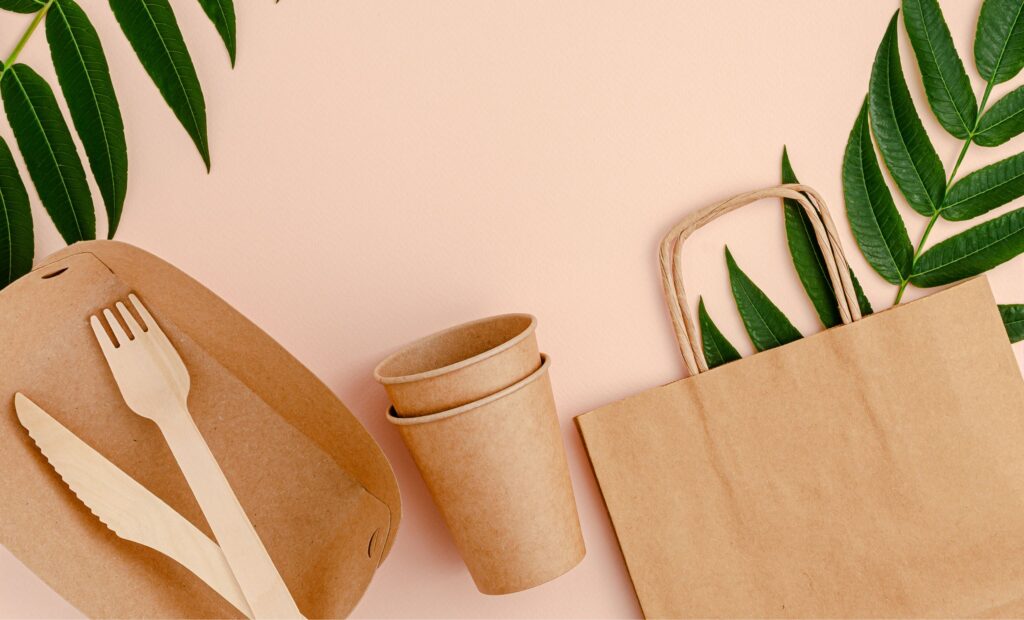
Examples of biodegradable materials include food scraps, paper, cardboard, and certain plastics like PLA (polylactic acid). These materials degrade naturally over time through microbial action.

Examples of Non-Biodegradable Materials

Non-biodegradable materials comprise many plastics, synthetic textiles, metals, and glass. These materials do not decompose readily and often remain intact for centuries.

Key Differences

Biodegradable materials break down naturally into organic matter, while non-biodegradable materials persist indefinitely. The former minimizes environmental impact, while the latter contributes to pollution and waste.

Environmental Impact of Non-Biodegradable Materials

Non-biodegradable materials pose significant environmental threats. They accumulate in landfills, oceans, and ecosystems, releasing toxins and causing harm to wildlife. Their persistence in the environment exacerbates pollution and resource depletion.

The Imperative of Choosing Biodegradable Materials

Choosing biodegradable materials is essential to mitigate environmental damage. Biodegradable options reduce waste, alleviate the burden on landfills, and minimize the release of harmful substances into ecosystems. Making informed choices in favor of biodegradable materials aligns with sustainable and eco-conscious living.

Conclusion

The stark contrast between biodegradable and non-biodegradable materials underscores the importance of mindful material selection. Biodegradable materials promote a sustainable, less-polluted future, while non-biodegradable counterparts perpetuate environmental degradation. Opting for biodegradable alternatives is a conscientious step towards preserving our planet for future generations.

بانٹیں

مزید پوسٹس

ٹیبل ویئر بلاگ دسترخوان میں بایوڈیگریڈیبل مواد کا عروج

ماحول دوست دسترخوان کو اپنانا: سبز مستقبل کے لیے پائیدار تبدیلی

پائیدار دسترخوان کے ساتھ کھانے میں ماحول دوست انقلاب دریافت کریں۔. روایتی پلاسٹک سے بایوڈیگریڈیبل میں تبدیل ہونے کا طریقہ سیکھیں۔, کمپوسٹ ایبل, یا دوبارہ قابل استعمال اختیارات فضلہ کو کم کرتے ہیں۔, وسائل کو محفوظ کرتا ہے۔, اور ایک صحت مند سیارے کو فروغ دیتا ہے۔. پائیدار مستقبل کے لیے سبز کھانے کی عادات کی طرف تحریک میں شامل ہوں۔.

بلاگ کیا ماحول دوست برتنوں کی بڑھتی ہوئی مانگ بناتا ہے۔

ماحول دوست برتنوں کی بڑھتی ہوئی مانگ کو کیا بناتا ہے۔?

ماحول دوست برتنوں کی بڑھتی ہوئی مانگ صارفین کے شعور سے پیدا ہوتی ہے۔, ماحولیاتی خدشات, فضلہ میں کمی کی ضرورت, اور وسائل کے تحفظ کو فروغ دینا. ان برتنوں کو اپنانے سے کھانے کی ایک پائیدار ثقافت کو فروغ ملتا ہے۔, پلاسٹک کی آلودگی کو کم کرنا اور ماحولیاتی ذمہ داری کو آگے بڑھانا.

بلاگ پلاسٹک کے فضلے کو کم کرنے کے لیے ہم کیا کر سکتے ہیں۔

پلاسٹک کے فضلے کو کم کرنے کے لیے ہم کیا کر سکتے ہیں۔?

پلاسٹک کے فضلے کو کم کرنے اور ماحولیاتی نقصان کو کم کرنے کے لیے موثر حکمت عملی دریافت کریں۔. دوبارہ قابل استعمال متبادل کو اپنانے سے لے کر پالیسی میں تبدیلیوں کی وکالت کرنے تک, جانیں کہ لوگ پلاسٹک کی آلودگی کے خلاف جنگ میں کس طرح مثبت اثر ڈال سکتے ہیں۔. کلینر کے لیے آج ہی کارروائی کریں۔, زیادہ پائیدار مستقبل.

ایک فوری اقتباس حاصل کریں۔

ہم اندر ہی اندر جواب دیں گے۔ 12 گھنٹے, براہ کرم لاحقہ کے ساتھ ای میل پر توجہ دیں۔ "@vvg-global.com".

آپ پر بھی جا سکتے ہیں۔ رابطہ صفحہ, جس کی شکل زیادہ وسیع ہے۔, اگر آپ کے پاس مزید مصنوعات کے سوالات ہیں یا آپ کاغذ اور ڈسپوزایبل حل پر بات چیت کرنا چاہتے ہیں۔.