
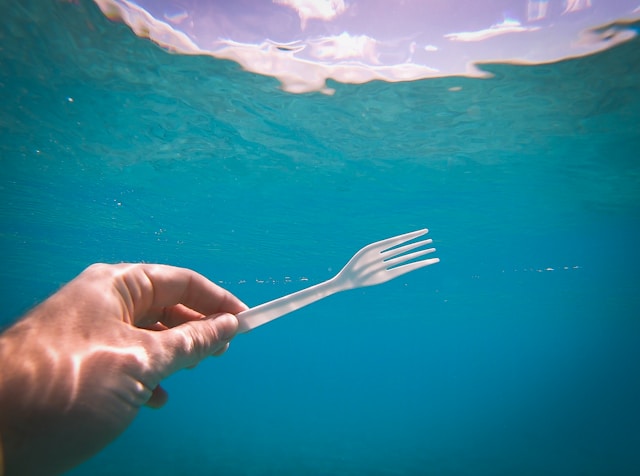
Emzamweni womhlaba wonke wokusimama, ukukhetha kwethu ezintweni zansuku zonke kunethonya elikhulu empilweni yeplanethi yethu. Okunye okukhethayo kusezitsha esizisebenzisayo, ikakhulukazi izimfoloko. Nakuba izimfoloko zepulasitiki sekuyisikhathi eside zibusa imakethe yezitsha ezilahlwayo, sekuvelile enye indlela evumelana nemvelo: izimfoloko ezenziwe ngodoti lomoba. Kulokhu okuthunyelwe kwebhulogi, sizocubungula ukuthi kungani lezi zimfoloko zokulahlwa kukamoba zime njengenketho engcono kakhulu eco-friendly uma kuqhathaniswa nozakwabo bepulasitiki..
Insiza Evuselelekayo
Imfucuza yomoba, eyaziwa nangokuthi i-bagasse, ibhekisela ensaleni ene-fibrous eshiywe ngemva kokukhipha ijusi emobeni. Ngokungafani nepulasitiki, etholakala kumafutha ezinto ezimbiwa phansi angavuseleleki, I-bagasse iwumkhiqizo wokukhiqiza ushukela, okwenza kube yinsiza esimeme nevuselelekayo. Ngokusebenzisa i-bagasse ekwenzeni imfoloko, sinciphisa ukuthembela ezinqolobaneni zamafutha ezinsalela ezimbiwa phansi, ukunciphisa umthelela wemvelo ohambisana nokukhipha nokucubungula kwazo.
I-Biodegradability
Enye yezinzuzo eziphoqelela kakhulu zezimfoloko zikamoba ukubola kwazo. Ngokungafani nezimfoloko zepulasitiki, okungase kuphikelele endaweni ezungezile amakhulu eminyaka, izimfoloko ze-bagasse zibola zemvelo lapho zilahlwa. Njengezinto eziphilayo, izimfoloko ze-bagasse zihlukana zibe izingxenye zemvelo ngokusebenzisa isenzo se-microbial, ukubuyela emhlabeni ngaphandle kokushiya izinsalela eziyingozi noma amaplastiki amancane. Le nqubo ye-biodegradation inciphisa kakhulu umthwalo ezindaweni zokulahla imfucumfucu futhi inciphise ukungcoliswa kwezilwandle kanye nemvelo..
I-Carbon Footprint Encishisiwe
Ukukhiqizwa kwezimfoloko zepulasitiki kuhilela izinqubo ezidinga amandla, kuhlanganise nokukhipha, ukucwenga, kanye ne-polymerization yezinto ezitholakala ku-petroleum. Ngokungqubuzanayo, ukukhiqizwa kwezimfoloko ze-bagasse kudinga amandla amancane futhi kukhiqiza ukukhishwa kwegesi ebamba ukushisa okuncane. Ngokusebenzisa imfucuza yomoba, asiphambukisi nje imfucuza ephilayo ezindaweni zokulahla imfucuza kuphela kodwa futhi sinomthelela ekuthathweni kwekhabhoni ngokutshalwa kwezitshalo zomoba., ezimunca i-CO2 emkhathini ngesikhathi sokukhula kwazo.
Ukusebenza Kwensiza
Izimfoloko ze-bagasse ziyisibonelo sokusebenza kahle kwensiza ngokusebenzisa umkhiqizo olahlwayo obungalahlwa noma ushiswe. Ngokuqhakambisa imfucuza yomoba, sithuthukisa ukusetshenziswa kwezinsiza futhi sinciphise ukungcoliswa kwemvelo okuhlobene nezindlela zendabuko zokulahla imfucuza. Ngaphezu kwalokho, ukukhiqizwa kwezimfoloko ze-bagasse ngokuvamile kudla amanzi amancane futhi kukhiqiza ukungcola okuncane uma kuqhathaniswa nokukhiqizwa kwezimfoloko zepulasitiki., bathuthukise iziqinisekiso zabo ze-eco-friendly.
Ukuqwashisa Komthengi Nokuncamelayo
Ngokuqwashisa okwandayo kwezindaba zemvelo kanye nokungcoliswa kwepulasitiki, abathengi baya ngokuya bekhetha ezinye izindlela ezisimeme. Ukwamukelwa kwamafoloko e-bagasse kuhambisana nokuthandwa ngabathengi kwemikhiqizo eco-friendly, isidingo sokushayela sezinketho eziluhlaza emakethe. Njengoba abantu abaningi kanye namabhizinisi beguqukela ezitsheni ezisimeme njengamafoloko e-bagasse, sihlanganyela ngokuhlanganyela ekwenzeni okuluhlaza, ikusasa elizinzile.
Ekuphetheni, ukukhetha phakathi kwezimfoloko zokulahlwa kukamoba nezimfoloko zepulasitiki kudlulela ngalé kokusebenza nje—kuhlanganisa ukuzibophezela ekunakekeleni imvelo kanye nezinqubo eziqhubekayo.. Ngokukhetha izimfoloko ze-bagasse, sisekela izinsiza ezivuselelekayo, ukuthuthukisa i-biodegradability, ukunciphisa ukukhishwa kwekhabhoni, nokwandisa ukusebenza kahle kwensiza, futhi uqondanise nezintandokazi zabathengi zemikhiqizo eco-friendly. Ake samukele inguquko ebheke ekusimameni imfoloko eyodwa ngesikhathi, sibona umthelela omkhulu wezinqumo zethu empilweni yeplanethi yethu.